Erick J. R. Silva
São Paulo State University, SP, Brazil
- This delegate is presenting an abstract at this event.
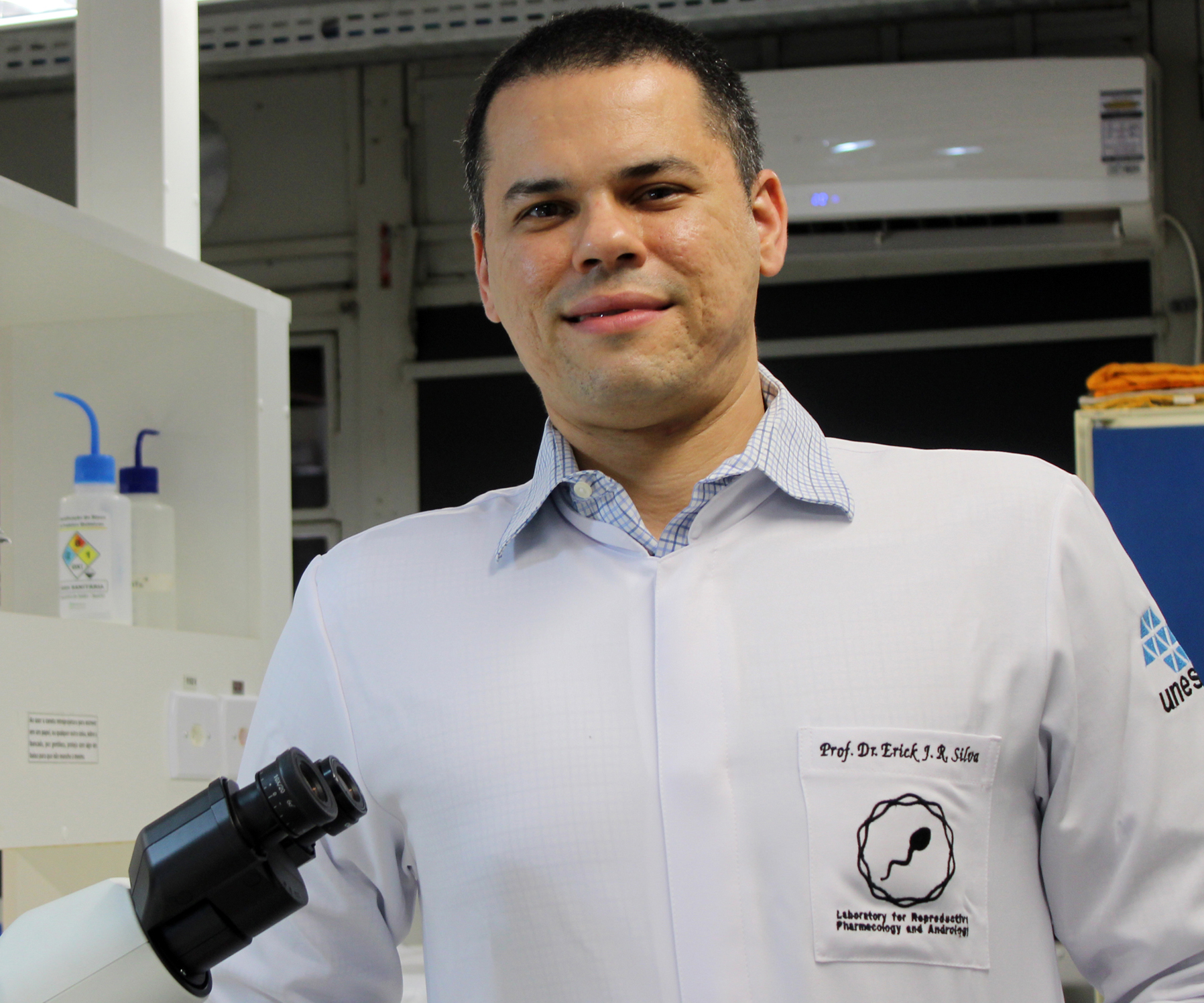
Challenge and a continuous drive to learn motivate my commitment to scientific advancement. I hold a Bachelor's degree in Pharmacy from the Federal University of Pernambuco (UFPE), a Master's degree in Pharmaceutical Sciences from UFPE, and a Ph.D. in Pharmacology from the Federal University of São Paulo Escola Paulista de Medicina (Unifesp-EPM). I earned my Habilitation (Livre-Docência) in Pharmacology from São Paulo State University (UNESP). I completed postdoctoral training at the University of North Carolina at Chapel Hill, USA. I was a recipient of a Young Talent Fellowship (BJT) from the Science Without Borders Program (Young Talent Attraction modality) at the Department of Pharmacology, Unifesp-EPM. Since 2014, I have been a faculty member of the Department of Biophysics and Pharmacology at the Institute of Biosciences of Botucatu, São Paulo State University (UNESP), where I currently serve as Associate Professor. I have international research experience, with an emphasis on Molecular Pharmacology, Experimental Endocrinology, Reproductive Biology, and Andrology. My academic and scientific activities focus on investigating the molecular and cellular mechanisms that regulate male reproductive tract function, with particular emphasis on: (i) the study of epididymal function, including molecular and cellular regulatory mechanisms involved in gene expression control, as well as the pathophysiological mechanisms underlying epididymal inflammatory responses (epididymitis); (ii) the functional characterization of epididymal and sperm targets essential for sperm maturation, motility, and capacitation, with a focus on identifying pharmacological targets for the development of non-hormonal male contraceptives; (iii) the actions of androgenic and glucocorticoid hormones in the male reproductive tract; and (iv) the role of antimicrobial genes as components of innate immunity in the male reproductive tract and their impact on fertility.